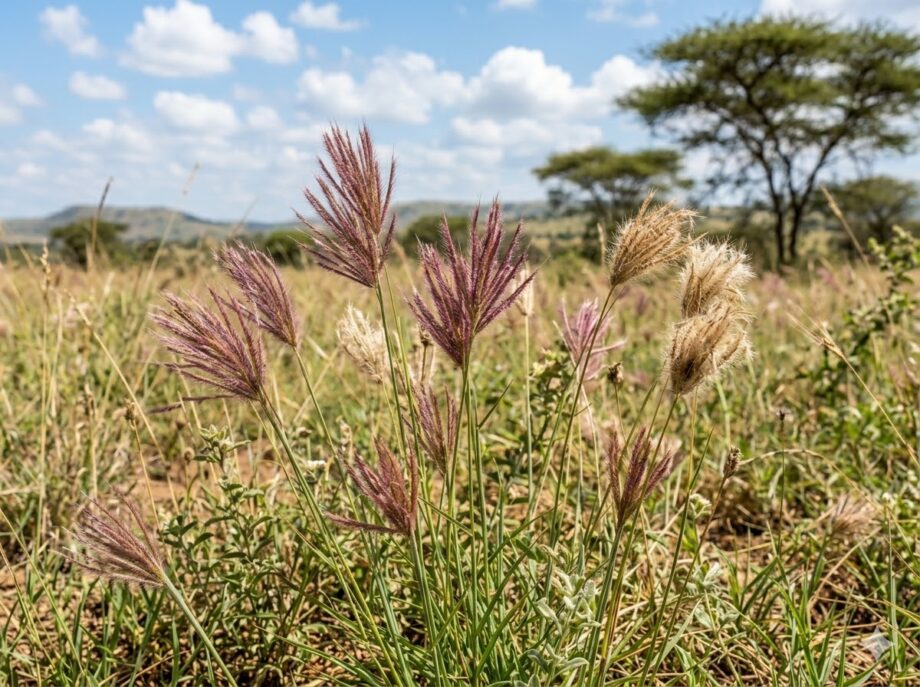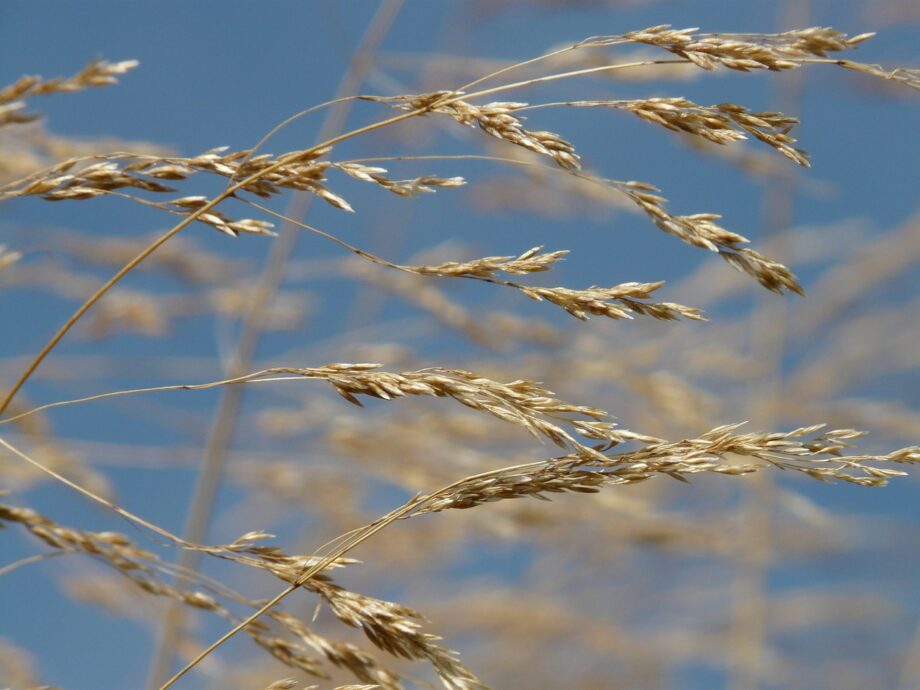
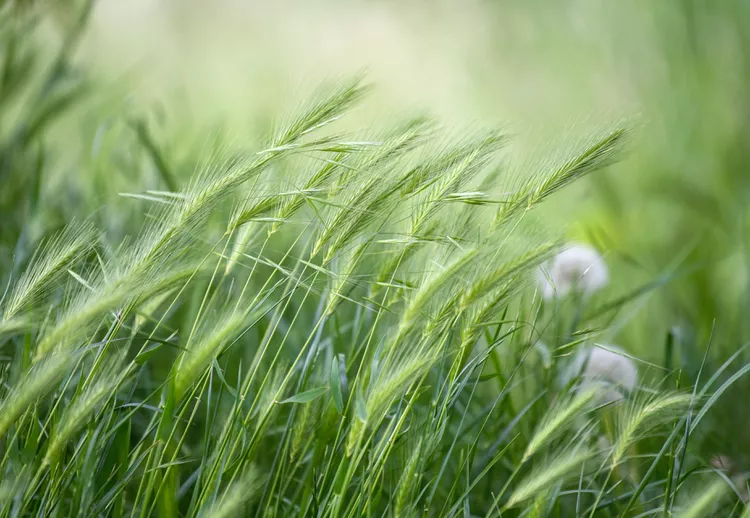
Bush Rye Grass (Enteropogon macrostachyus) is a hardy, drought-tolerant perennial grass widely found in arid and semi-arid regions of Africa. It is especially important in Kenya’s ASAL (Arid and Semi-Arid Lands), where it serves as a reliable source of forage for livestock under harsh environmental conditions.
This grass is highly valued for its ability to survive poor soils, low rainfall, and heavy grazing pressure, making it a key species for sustainable pasture management and land restoration.
What Is Bush Rye Grass?
Enteropogon macrostachyus is a perennial grass species native to tropical and subtropical Africa. It is commonly found in:
- Dry rangelands
- Open savannah ecosystems
- Overgrazed and degraded lands
It is recognized by:
- Tall, slender stems
- Distinctive long spike-like seed heads
- Deep, fibrous root system
Ecology of Bush Rye Grass
Natural Habitat
Bush rye grass thrives in harsh ecological environments, including:
- Semi-arid and arid lands
- Sandy and stony soils
- Disturbed and degraded rangelands
- Roadside and fallow fields
It is commonly distributed across East Africa, particularly in Kenya, Tanzania, and Ethiopia.
Climate Adaptation
This species is exceptionally adapted to dry climates:
- Rainfall requirement: 250–600 mm annually
- High tolerance to drought and heat stress
- Survives prolonged dry seasons through dormancy
- Can grow in nutrient-poor soils
Ecological Importance
Bush rye grass plays a major role in ecosystem stability:
- Controls soil erosion in drylands
- Enhances soil organic matter over time
- Supports biodiversity by providing habitat
- Acts as a pioneer species in land restoration
Agronomy of Bush Rye Grass
Establishment
Bush rye grass is mainly established from Bush Rye Grass seeds.
Recommended practices:
- Seed rate: 4–10 kg per hectare
- Planting time: Early rainy season
- Seedbed: Lightly tilled or direct seeding in rangelands
- Germination: Fast under adequate moisture
It can also establish naturally through reseeding in grazing systems.
Growth Characteristics
- Type: Perennial grass
- Growth form: Tufted (bunchgrass)
- Height: 0.6–1.2 meters
- Root system: Deep and extensive
This allows it to access moisture deep in the soil, improving drought survival.
Management Practices
To optimize productivity:
- Practice rotational grazing
- Avoid continuous heavy grazing
- Allow recovery periods after grazing
- Combine with legumes like Stylosanthes for improved nutrition
Bush rye grass is well-suited for low-input systems, requiring minimal fertilizer.
Nutritive Value of Bush Rye Grass
Bush rye grass provides moderate-quality forage, especially during early growth stages.
Nutritional Composition (Approximate)
- Crude Protein: 6–12%
- Digestibility: 50–60%
- Fiber: High at maturity
- Energy: Moderate
Livestock Feeding Value
Suitable for:
- Cattle
- Goats
- Sheep
Best utilization:
- Early grazing before flowering
- Mixed pasture systems
As it matures:
- Becomes fibrous
- Palatability decreases
Yield Potential
Yield depends heavily on rainfall and management.
Average Yield
- Dry matter yield: 1.5–4 tons per hectare annually
- Higher yields under improved rainfall or soil fertility
- Strong natural reseeding ensures persistence
Yield Influencing Factors
- Rainfall variability
- Soil condition
- Grazing intensity
- Companion species (e.g., legumes)
Advantages of Bush Rye Grass
Bush rye grass offers several key benefits for farmers:
- Excellent drought tolerance
- Thrives in poor and degraded soils
- Low input requirements (minimal fertilizer)
- Good for erosion control and land restoration
- Reliable forage in dry seasons
- Persistent under grazing pressure
Disadvantages of Bush Rye Grass
However, it also has some limitations:
- Lower protein compared to improved pasture species
- Reduced palatability at maturity
- Moderate to low yield
- Not suitable as a high-performance pasture alone
- Slow regrowth under very dry conditions
Uses of Bush Rye Grass
Livestock Feeding
- Grazing grass for cattle, goats, and sheep
- Dry season survival forage
- Supplementary pasture in mixed systems
Land Rehabilitation
- Restores degraded rangelands
- Stabilizes soils and prevents erosion
- Re-establishes vegetation cover in ASAL areas
Sustainable Agriculture
- Ideal for low-input farming systems
- Supports climate-resilient agriculture
- Enhances long-term soil health
Importance in Kenya
Bush rye grass is particularly valuable in Kenya’s dry regions such as:
- Kajiado
- Turkana
- Garissa
- Kitui
- Makueni
It provides a lifeline forage resource during drought periods when other grasses fail.
Conclusion
Bush Rye Grass (Enteropogon macrostachyus) is a crucial forage species for dryland farming systems, especially in Kenya and other semi-arid regions. Its resilience, adaptability, and ecological benefits make it a reliable choice for farmers facing climate variability and poor soil conditions.
While it may not offer the highest nutritional value or yield, its ability to survive and provide forage under extreme conditions makes it indispensable for sustainable livestock products.