Kenya’s dairy industry depends heavily on quality fodder. Whether you are running a zero-grazing dairy unit, semi-intensive system, or free-range dairy farm, choosing the best grass for dairy cows in Kenya directly affects milk yield, animal health, breeding performance, and farm profitability.
Farmers across Kenya are increasingly opting for drought-resistant fodder grasses, high-protein forage crops, fast-growing pasture grass, and affordable dairy feed solutions.
This is because feed costs account for over 60% of dairy production expenses.
This comprehensive guide explains the best fodder grasses for dairy cows in Kenya, including their benefits, planting methods, expected yields, nutritional value, management tips, and the ideal regions for cultivation.
Why Choosing The Right Grass Matters
The quality of fodder determines:
- Milk production levels
- Butterfat content
- Cow fertility
- Body condition score
- Disease resistance
- Feed costs
- Dairy farm profitability
Poor-quality grass results in:
- Low milk yields
- Weight loss
- Poor heat cycles
- Reduced immunity
- Expensive feed supplementation
The best grass for dairy cows in Kenya should provide:
- High biomass yield
- Good protein content
- Fast regrowth
- Drought tolerance
- Palatability
- Disease resistance
- Easy management
Characteristics of The Best Dairy Grass
Before selecting fodder grass, farmers should consider:
1. Nutritional Value
High-quality dairy fodder should contain:
- Crude protein
- Digestible energy
- Minerals
- Fiber balance
2. Fast Growth Rate
Fast-growing grass allows multiple harvests annually.
3. Drought Resistance
Kenya experiences unpredictable rainfall. Drought-tolerant grass helps maintain feed availability during dry seasons.
4. High Biomass Production
More biomass means more fodder per acre.
5. Regrowth Ability
Good pasture grass should regenerate quickly after cutting.
6. Palatability
Dairy cows prefer soft, leafy, sweet forage.
Best Grass For Dairy Cows In Kenya
The top fodder grasses for dairy farming in Kenya include:
- Napier Grass
- Brachiaria Grass
- Guatemala Grass
- Rhodes Grass
- Sudan Grass
- Guinea Grass
- Setaria Grass
- Lucerne Grass
- Desmodium
- Kikuyu Grass
- Buffalo Grass
- Juncao Grass
Each grass has unique advantages depending on rainfall, altitude, soil type, and farming system.
Napier Grass For Dairy Farming In Kenya
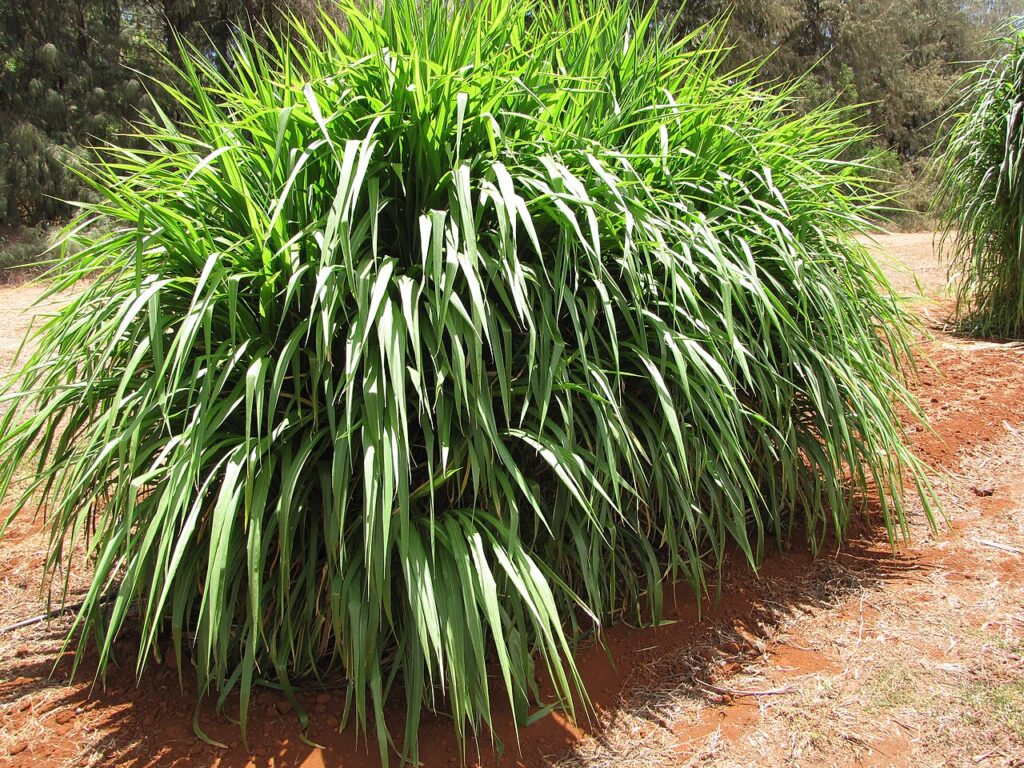
One of the most popular dairy fodder crops in Kenya. Its Scientific Name is Pennisetum purpureum
Why Napier Grass is Popular
Napier grass remains the backbone of zero-grazing systems because it:
- Produces high biomass
- Grows quickly
- Has good palatability
- Easy to manage
- Performs well in many Kenyan regions
Types of Napier Grass
1. Bana Grass
2. Pakchong Super Napier
3. Kakamega 1
4. Clone 13
5. French Cameroon
Super Napier Grass Benefits
This varieties are preferred because they:
- Produce more tonnage
- Have softer stems
- Contain more protein
- Mature faster
- Resist drought better
Napier Grass Nutritional Value
Grass contains:
- Crude protein: 8–18%
- High digestibility
- Good energy levels
- Useful fiber
Best Areas For Napier Grass in Kenya
- Central Kenya
- Rift Valley
- Western Kenya
- Parts of Nyanza
- High rainfall regions
How to Plant Napier Grass
Planting Materials
- Root splits
- Stem cuttings
Spacing
- 90 cm × 60 cm
Fertilizer Application
Apply:
- Farmyard manure
- DAP during planting
- CAN after harvesting
Napier Grass Yield Per Acre
Under good management, farmers can harvest:
- 80–120 tons per acre annually
Common Napier Grass Diseases
- Napier Head Smut
- Stunting Disease
Use clean planting material to reduce the spread of disease.
Brachiaria Grass In Kenya

This grass is rapidly becoming one of the best grasses for dairy cows in Kenya.
Why Brachiaria Grass is Recommended
Brachiaria performs exceptionally well because it:
- Tolerates drought
- Has high protein levels
- Improves milk production
- Produces high biomass
- Works well for silage
Popular Brachiaria Varieties
- Brachiaria Mulato II
- Brachiaria Cayman
- Brachiaria Xaraes
- Brachiaria MG-4
- Brachiaria Basilisk
Brachiaria Grass Protein Content
Crude protein ranges from:
- 12–17%
Advantages of Brachiaria Grass
- Deep root system
- Drought tolerant
- Fast recovery after cutting
- Better digestibility than ordinary pasture grass
- Good for zero-grazing systems
Brachiaria Grass Seed Rate Per Acre
- 4–6 kg per acre
Best Regions for Brachiaria in Kenya
- Eastern Kenya
- Semi-arid areas
- Rift Valley
- Western Kenya
- Coastal regions
Brachiaria Grass Yield
Farmers can harvest:
- 15–25 tons of dry matter annually per acre
Guatemala Grass
This grass is another excellent fodder crop for dairy farming.
Guatemala Grass Benefits
- High biomass production
- Thick leafy growth
- Long productive lifespan
- Suitable for cut-and-carry systems
Guatemala Grass vs Napier Grass
Many farmers prefer Guatemala grass because:
- It survives longer
- Has fewer disease problems
- Produces thick stems and leaves
Best Conditions for Guatemala Grass
- High rainfall areas
- Fertile soils
- Well-drained land
Guatemala Grass Planting
Use:
- Stem cuttings
- Root splits
Rhodes Grass for Dairy Farming
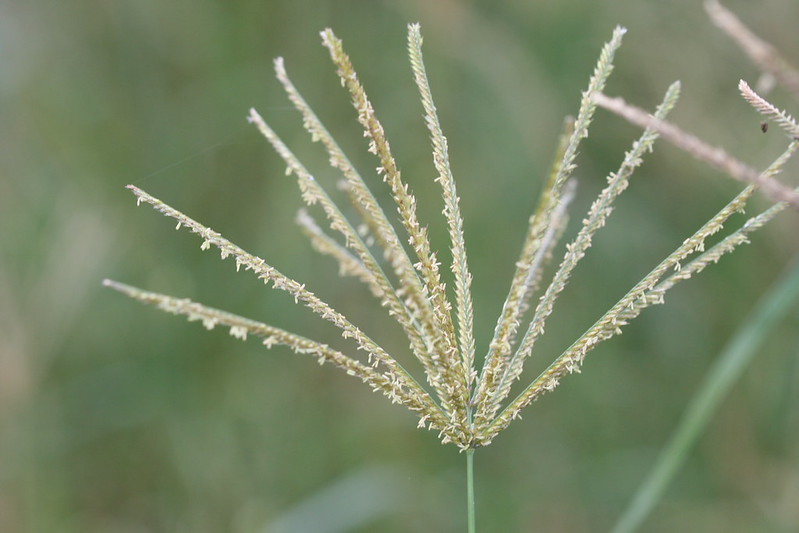
Widely grown for hay production, which has a scientific name of Chloris gayana
Why Farmers Like Rhodes Grass
- Excellent hay quality
- Drought tolerant
- Fast establishment
- Good palatability
Rhodes Grass Uses
- Grazing
- Hay making
- Silage blending
Best Rhodes Grass Varieties
- Boma Rhodes
- Callide Rhodes
- Elmba Rhodes
Rhodes Grass Yield Per Acre
- 200–300 bales of hay under good management
Also, you can read more about Rhodes Grass
Sudan Grass
Sudan grass is highly valued in dry areas.
Benefits
- Fast growth
- High drought tolerance
- Good silage crop
- Multiple harvests
Sudan Grass For Silage
Many dairy farmers mix Sudan grass with:
- Maize
- Molasses
- Legumes
Sudan Grass Planting Season
Plant at the onset of rains.
Guinea Grass
A very nutritious tropical pasture grass with the scientific name of Panicum maximum
Guinea Grass Benefits
- High leaf production
- Soft texture
- Good digestibility
- Suitable for grazing and zero grazing
Best Guinea Grass Varieties
- Mombasa
- Tanzania
- Hamil
Guinea Grass Protein Content
- 10–15% crude protein
Setaria Grass
This grass performs well in cool and high-rainfall regions.
Setaria Grass Advantages
- Good drought tolerance
- High palatability
- Persistent growth
- Suitable for dairy cows
Setaria Grass Best Regions
- Central Kenya
- Highland areas
- Rift Valley
Desmodium For Protein Supplementation
Desmodium is technically a forage legume rather than grass, but it is extremely important in dairy feeding.
Why Desmodium is Important
- Adds protein to dairy diets
- Improves milk production
- Enhances soil fertility
- Works well with Napier grass
Common Desmodium Varieties
- Silverleaf Desmodium
- Greenleaf Desmodium
Desmodium Protein Content
- 18–25% crude protein
Napier and Desmodium Intercropping
Intercropping helps:
- Improve fodder quality
- Reduce weeds
- Increase nitrogen in the soil
Lucerne Grass For Dairy Cows
Also called alfalfa, it is among the highest-protein fodder crops.
Benefits
- Very high protein
- Excellent digestibility
- Improves milk production
- Ideal dairy supplement
Protein Content
- 18–22%
Lucerne Growing Conditions
Lucerne performs best in:
- Well-drained soils
- Moderate rainfall areas
- Neutral soil pH
Feeding Tips
Feed together with:
- Napier grass
- Hay
- Silage
Avoid feeding excessive fresh lucerne alone to prevent bloating.
This grass is common in Kenya’s highlands, with a scientific name of Pennisetum clandestinum
Kikuyu Grass Benefits
- Excellent grazing pasture
- Rapid spread
- High carrying capacity
- Good tolerance to grazing pressure
Best Areas for Kikuyu Grass
- Nyandarua
- Kiambu
- Nyeri
- Kericho
- Uasin Gishu
Buffalo Grass
This grass is useful in low-maintenance pasture systems.
Buffalo Grass Advantages
- Drought resistant
- Low maintenance
- Dense pasture cover
- Suitable for grazing
Buffalo Grass Uses
- Pasture establishment
- Soil conservation
- Dairy grazing paddocks
Juncao Grass
An emerging type of grass with a high-yield fodder option.
Juncao Grass Benefits
- Extremely high biomass
- Fast growth
- Useful for silage
- Good drought tolerance
Why Farmers are Interested in Juncao Grass
Juncao can help reduce feed shortages during dry seasons.
Best Grass For Zero Grazing Dairy Farming
The best grass for zero-grazing systems in Kenya includes:
- Napier grass
- Brachiaria grass
- Guatemala grass
- Desmodium mixtures
- Lucerne supplementation
Why These Grasses Work Well
They provide:
- High biomass
- Easy harvesting
- Excellent nutrient supply
- Efficient cut-and-carry feeding
Best Drought-Resistant Grass For Dairy Cows In Kenya
Drought has become a major challenge for dairy farmers.
Top Drought-Tolerant Fodder Grasses
- Brachiaria Grass
- Sudan Grass
- Rhodes Grass
- Juncao Grass
- Buffel Grass
Drought Management Tips
- Harvest rainwater
- Make silage
- Plant early
- Use manure
- Avoid overgrazing
How To Establish A Fodder Farm In Kenya
Step 1: Soil Testing
Test soil for:
- pH
- Nutrient levels
- Organic matter
Step 2: Land Preparation
- Clear weeds
- Plough deeply
- Harrow thoroughly
Step 3: Planting
Plant during rainy seasons.
Step 4: Weed Control
Keep fields weed-free during establishment.
Step 5: Fertilizer Application
Apply:
- Organic manure
- Top dressing fertilizers
Step 6: Harvesting
Harvest at the right stage for maximum nutrition.
Fertilizer And Manure Requirements
Good fodder production requires fertile soil.
Recommended Fertilizers
DAP – Used during planting.
CAN – Used for top dressing.
Farmyard Manure
Improves soil structure and moisture retention.
Importance of Organic Manure
Organic manure:
- Increases microbial activity
- Improves soil fertility
- Enhances water retention
- Boosts grass growth
Silage Making For Dairy Farmers
Silage helps preserve fodder for dry seasons.
Best Crops for Silage
- Napier grass
- Brachiaria grass
- Maize
- Sudan grass
Benefits of Silage
- Reduces feed shortages
- Maintains milk production
- Reduces wastage
- Improves feed planning
How to Make Good Silage
- Harvest at correct maturity
- Chop forage properly
- Compact tightly
- Exclude air
- Seal completely
Common Mistakes Dairy Farmers Make
1. Planting Low-Quality Seed
Always buy certified seeds or healthy planting materials.
2. Harvesting Too Late
Overmature grass becomes fibrous and less nutritious.
3. Ignoring Soil Fertility
Poor soils reduce biomass yields.
4. Poor Weed Management
Weeds compete for nutrients and water.
5. Failure to Preserve Fodder
Many farmers experience shortages because they do not make hay or silage.
Which Grass Produces The Most Milk?
Milk production depends on:
- Grass quality
- Feeding management
- Breed genetics
- Water availability
- Supplementation
However, the best-performing fodder grasses for milk production in Kenya are:
- Brachiaria grass
- Napier grass
- Lucerne supplementation
- Desmodium mixtures
- Guinea grass
Best Fodder Combination For Dairy Cows
The most effective dairy feeding system combines:
Energy Sources
- Napier grass
- Maize silage
- Guinea grass
Protein Sources
- Lucerne
- Desmodium
- Dairy meal
Mineral Supplements
- Salt lick
- Dairy mineral mix
Cost of Establishing Fodder Grass in Kenya
Costs vary depending on:
- Land size
- Seed variety
- Fertilizer use
- Labor costs
- Irrigation
Estimated Costs Per Acre
Brachiaria Grass
- KSh 8,000–20,000
Napier Grass
- KSh 5,000–15,000
Rhodes Grass
- KSh 6,000–18,000
Lucerne
- KSh 12,000–25,000
Frequently Asked Questions
What is the best grass for dairy cows in Kenya?
Brachiaria grass and Napier grass are among the best due to their high yields, nutritional value, and suitability for zero-grazing systems.
Which grass increases milk production?
Brachiaria grass, Napier grass, lucerne, and desmodium mixtures help improve milk production because of their high nutritional quality.
Which fodder grass is drought-resistant?
Brachiaria grass, Sudan grass, Rhodes grass, and Buffel grass are highly drought-tolerant.
What is the best grass for zero grazing?
Napier grass remains the most popular choice for zero grazing in Kenya.
Which grass has the highest protein?
Lucerne and desmodium contain higher protein levels compared to most grasses.
How many dairy cows can one acre feed?
One acre of well-managed Napier grass can feed:
- 2–5 dairy cows, depending on management and supplementation.
Is Brachiaria better than Napier grass?
Brachiaria is more drought-tolerant and often more nutritious, while Napier produces extremely high biomass under good rainfall.
Can dairy cows eat fresh grass daily?
Yes. Dairy cows require fresh forage daily, together with water, minerals, and supplements.
Which grass is best for silage?
Napier grass, Brachiaria grass, Sudan grass, and maize are excellent silage materials.
How often should fodder grass be harvested?
Most fodder grasses should be harvested every:
- 6–8 weeks, depending on rainfall and variety.
Final Thoughts
Choosing the best grass for dairy cows in Kenya is one of the most important decisions a dairy farmer can make. The right fodder grass increases milk production, reduces feed costs, improves cow health, and boosts farm profitability.
For most Kenyan farmers:
- Napier grass remains the standard dairy fodder
- Brachiaria grass is becoming the top drought-resistant option
- Lucerne and desmodium provide critical protein supplementation
- Rhodes grass is excellent for hay
- Sudan grass performs well in dry areas
Successful dairy farming depends on combining:
- Quality fodder
- Good feeding practices
- Soil fertility management
- Water availability
- Silage conservation
Farmers who invest in high-quality pasture establishment and fodder preservation are better positioned to maintain milk production throughout the year, even during dry seasons.
By selecting the right fodder grass varieties and applying proper agronomic practices, Kenyan dairy farmers can significantly improve productivity and profitability while building resilient dairy systems for the future.