Guatemala grass is one of the most productive fodder grasses for dairy farming and livestock feeding in tropical regions. Farmers across East Africa are increasingly adopting the grass because of its high biomass yield, drought tolerance, fast regrowth, and excellent nutritional value for cattle, goats, sheep, and other livestock.
In this complete guide, you will learn everything about Guatemala grass, including benefits, planting methods, management practices, harvesting techniques, nutrient content, common challenges, and why it is becoming a top alternative to Napier grass.
Whether you are a small-scale dairy farmer or a commercial livestock producer, this article will help you understand how to maximize grass production for profitable farming.
What Is Guatemala Grass?
It is a perennial tropical fodder grass known for its vigorous growth and high forage production. It is widely grown in regions with warm climates and moderate to high rainfall.
The grass is highly valued for:
- High fodder yield
- Soft and palatable leaves
- Fast regrowth after cutting
- Good drought resistance
- Excellent feed for dairy cattle
- Reduced feeding costs
Because of its productivity and adaptability, Guatemala grass is becoming popular among dairy farmers looking for reliable year-round fodder.
The scientific name of Guatemala grass is: Tripsacum andersonii
It belongs to the Poaceae family, which includes maize, sugarcane, Napier grass, and other important pasture grasses.
Origin of Guatemala Grass
It originated from Central America, particularly Guatemala, where it naturally adapted to tropical environmental conditions.
Today, the grass is grown in many countries, including:
- Kenya
- Uganda
- Tanzania
- Rwanda
- Ethiopia
- Nigeria
- India
- Sri Lanka
- Philippines
Its ability to thrive in tropical and subtropical climates makes it ideal for African dairy farming systems.
Guatemala Grass In Kenya
This grass in Kenya is increasingly becoming a preferred fodder crop among dairy farmers because of recurring Napier stunt disease problems affecting Napier grass.
Farmers in regions such as:
- Kiambu
- Nyeri
- Murang’a
- Nakuru
- Uasin Gishu
- Meru
- Embu
- Kericho
are adopting Guatemala grass because it:
- Produces large amounts of forage
- Requires less maintenance
- Performs well under rain-fed conditions
- Is less affected by major diseases
- Improves milk production
Many farmers intercrop the grass with legumes such as lucerne and desmodium to improve protein levels.
Characteristics of Guatemala Grass
Guatemala grass has several unique characteristics that make it suitable for fodder production.
1. Tall Growth Habit
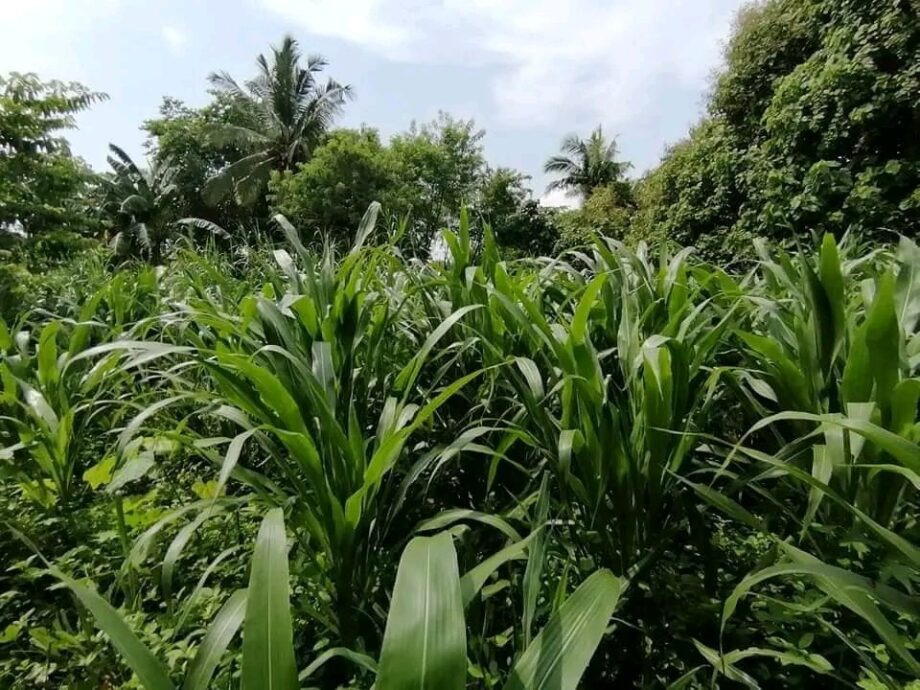
The grass can grow between 2 and 4 meters tall under good management.
2. Broad Leaves
It produces broad green leaves that are soft and highly palatable to livestock.
3. Deep Root System
Its deep roots help it survive dry conditions better than many grasses.
4. Perennial Nature
Once planted, it can remain productive for several years.
5. High Biomass Production
It produces large amounts of fodder per acre, reducing feed shortages.
Guatemala Grass Nutritional Value
One of the main reasons farmers grow this grass is its excellent nutrient profile.
The nutrient composition varies depending on maturity stage, soil fertility, and management.
Average nutritional values include:
| Nutrient | Approximate Value |
|---|---|
| Crude Protein | 10–16% |
| Dry Matter | 18–25% |
| Crude Fiber | 25–35% |
| Digestibility | 55–70% |
| Energy | Moderate to High |
| Calcium | Good levels |
| Phosphorus | Moderate levels |
Young Guatemala grass has higher protein and digestibility compared to mature grass.
Benefits of Guatemala Grass
This grass offers numerous benefits for livestock farmers.
1. High Fodder Yield
One acre of well-managed Guatemala grass can produce large quantities of forage annually.
This helps farmers:
- Reduce feed shortages
- Lower feed costs
- Increase livestock productivity
2. Good Drought Tolerance
Its deep-rooted system enables survival during dry periods.
3. Improves Milk Production
When fed correctly, the grass supports increased milk yield in dairy cattle.
4. Soft and Palatable
Livestock readily consume the grass because of its tender leaves.
5. Fast Regrowth
After harvesting, the grass regenerates quickly.
6. Suitable for Cut-and-Carry Systems
The grass is ideal for zero-grazing dairy units.
7. Soil Conservation
Its dense growth helps prevent soil erosion.
8. Long Productive Lifespan
A properly managed field can remain productive for many years.
Guatemala Grass vs Napier Grass
Many farmers compare Guatemala grass with Napier grass when selecting fodder.
| Feature | Guatemala Grass | Napier Grass |
|---|---|---|
| Disease Resistance | Better resistance | Susceptible to stunt disease |
| Drought Tolerance | Good | Moderate |
| Yield | Very high | Very high |
| Palatability | Excellent | Good |
| Protein Content | Moderate to high | Moderate |
| Stem Hardness | Softer stems | Harder stems |
| Management | Easy | Moderate |
Guatemala grass is increasingly seen as an excellent Napier grass alternative.
How to Plant Guatemala Grass
Proper establishment is essential for high yields.
Land Preparation
Prepare land thoroughly by:
- Clearing weeds
- Ploughing deeply
- Harrowing to create fine soil tilth
- Adding manure or compost
Well-prepared soil improves root establishment.
Planting Materials
Guatemala grass is commonly propagated using:
Root Splits
Root splits are the most common planting material.
Stem Cuttings
Stem cuttings with viable nodes can also be used.
Best Climate for Guatemala Grass
performs best in:
- Warm tropical climates
- Areas receiving 900–2000 mm of rainfall annually
- Altitudes of 1000–2500 meters
The grass thrives under moderate temperatures and adequate moisture.
Best Soil for Guatemala Grass
The grass grows well in:
- Fertile loamy soils
- Well-drained soils
- Soils rich in organic matter
Avoid:
- Waterlogged soils
- Highly acidic soils
- Poorly drained fields
Soil pH of 5.5–7.0 is ideal.
Spacing
Recommended spacing includes:
- 60 cm × 60 cm
- 90 cm × 90 cm
Proper spacing ensures:
- Better growth
- Easier management
- Good air circulation
- Reduced disease pressure
Fertilizer Requirements
For maximum productivity, apply:
Organic Fertilizer
- Farmyard manure
- Compost manure
- Poultry manure
Inorganic Fertilizer
Nitrogen-rich fertilizers help boost growth.
Examples:
- CAN fertilizer
- Urea
- NPK fertilizer
Top dressing after harvesting improves regrowth.
Irrigation Requirements
Although it tolerates drought better than many fodder crops, irrigation increases productivity during dry seasons.
Regular watering:
- Enhances leaf growth
- Increases biomass
- Improves nutrient quality
Weed Control
Weeds compete for:
- Water
- Nutrients
- Sunlight
Control methods include:
- Hand weeding
- Mulching
- Timely cultivation
- Proper spacing
Early weed control is critical during establishment.
Harvesting
It is usually ready for the first harvest after 4–6 months, depending on conditions.
Subsequent harvesting intervals:
- Every 6–8 weeks
Best Harvesting Stage
Harvest when the grass is:
- Young
- Tender
- Before excessive stem hardening
This ensures:
- Higher protein levels
- Better digestibility
- Improved intake by livestock
Grass Yield Per Acre
Can produce impressive yields under good management.
Estimated annual yield:
- 80–180 tons per acre of fresh fodder
Yield depends on:
- Rainfall
- Soil fertility
- Fertilization
- Irrigation
- Harvesting frequency
Feeding Guatemala Grass to Livestock
Guatemala grass is suitable for:
- Dairy cattle
- Beef cattle
- Goats
- Sheep
- Rabbits
It can be fed:
- Fresh
- Chopped
- Mixed with legumes
- Conserved as silage
Guatemala Grass for Dairy Cows
Dairy farmers value this grass because it:
- Supports milk production
- Improves feed intake
- Provides bulk forage
- Reduces commercial feed expenses
Combining the grass with protein supplements improves dairy performance.
Guatemala Grass Silage
It can be preserved as silage for dry-season feeding.
Benefits of Silage
- Reduces fodder wastage
- Ensures year-round feed availability
- Preserves nutrients
- Supports livestock during drought
For the best silage quality:
- Harvest young grass
- Chop properly
- Compact tightly
- Exclude air
Common Pests and Diseases of Guatemala Grass
Guatemala grass is relatively hardy but may occasionally face challenges.
1. Leaf Spot Diseases
Can occur under humid conditions.
2. Stem Borers
May damage stems and reduce growth.
3. Nutrient Deficiencies
Poor soils may reduce productivity.
4. Waterlogging
Excess water can cause root problems, and good management reduces most issues.
Grass Management Tips
To maximize yields:
- Harvest regularly
- Apply manure frequently
- Weed consistently
- Avoid over-maturity
- Irrigate during drought
- Practice rotational harvesting
Good management greatly improves forage quality.
Economic Importance
It contributes significantly to livestock production.
Income Generation
Farmers can sell:
- Fresh fodder
- Planting materials
- Silage
- Hay
Reduced Feed Costs
Home-grown fodder lowers dependence on expensive commercial feeds.
Increased Milk Income
Better feeding often results in higher dairy profits.
Guatemala Grass for Zero Grazing
Zero-grazing farmers prefer it because:
- It produces high biomass in small spaces
- Easy to chop
- Has soft stems
- It regrows rapidly
It works well in intensive dairy systems.
Guatemala Grass And Sustainable Farming
This grass supports sustainable agriculture through:
- Soil protection
- Organic matter improvement
- Reduced erosion
- Improved livestock nutrition
- Better farm productivity
It can also be integrated into agroforestry systems.
Guatemala Grass Seed Availability
Unlike some fodder grasses, Guatemala grass is rarely propagated using seed.
Most farmers use:
- Root splits
- Stem cuttings
Guatemala Grass Price
The price of planting materials varies depending on:
- Region
- Season
- Demand
- Supplier
Prices may be charged per:
- Root split
- Stem cutting
- Bag of planting material
- Acre establishment package
Commercial fodder suppliers often provide bulk quantities.
Challenges of Growing Guatemala Grass
Despite its benefits, farmers may face several challenges.
1. Poor Soil Fertility
Low fertility reduces growth.
2. Water Stress
An extended drought can affect productivity.
3. Delayed Harvesting
Old grass becomes fibrous and less digestible.
4. Lack of Proper Management
Neglect reduces yields and longevity.
Why Farmers Are Switching to Guatemala Grass
Many livestock farmers are shifting because:
- Napier diseases are increasing
- Feed shortages are common
- Dairy production requires reliable forage
- Guatemala grass is easy to maintain
- It produces consistent biomass
The grass is becoming a key component of modern dairy farming.
Best Companion Crops for Guatemala Grass
Farmers often intercrop the grass with legumes to improve protein content.
Popular companion crops include:
- Desmodium
- Lucerne
- Calliandra
- Leucaena
- Sweet potato vines
This improves feed quality and soil fertility.
Frequently Asked Questions
Is Guatemala Grass Good for Dairy Cows?
Yes. It is highly suitable for dairy cows because of its palatability, high biomass yield, and good nutritional value.
How Long Does Guatemala Grass Take to Mature?
The first harvest is usually ready within 4–6 months after planting, depending on rainfall and management.
Is Guatemala Grass Better Than Napier Grass?
Both grasses are productive, but Guatemala grass is often preferred for its softer stems and better tolerance to some diseases.
Can Guatemala Grass Grow in Dry Areas?
Yes. It has relatively good drought tolerance, especially once established.
How Often Should Guatemala Grass Be Harvested?
Harvest every 6–8 weeks for optimal nutritional quality.
Can Guatemala Grass Be Used for Silage?
Yes. It makes high-quality silage when harvested at the correct stage.
What Animals Eat Guatemala Grass?
The grass is suitable for:
- Dairy cattle
- Beef cattle
- Goats
- Sheep
- Rabbits
What Is the Best Fertilizer for Guatemala Grass?
Organic manure combined with nitrogen fertilizer produces excellent results.
Does Guatemala Grass Need Irrigation?
It can survive under rain-fed conditions, but irrigation boosts productivity during dry seasons.
How Many Years Can Guatemala Grass Last?
With proper management, the grass can remain productive for several years.
Final Thoughts
Guatemala grass is one of the best fodder grasses for modern livestock farming. Its high forage yield, drought tolerance, soft texture, and excellent regrowth make it an outstanding choice for dairy farmers seeking sustainable feed production.
Whether you are practicing zero grazing, commercial dairy farming, or mixed livestock farming, Guatemala grass can significantly improve fodder availability and reduce feeding costs.
As demand for quality livestock feed continues to rise, this grass is becoming a valuable solution for farmers looking to increase milk production, improve animal health, and build profitable farming systems.
By following proper planting, fertilization, harvesting, and management practices, farmers can achieve exceptional yields and long-term productivity.
Related Post;