Fodder grass farming in Kenya has become one of the most profitable and sustainable agricultural practices for dairy/beef farmers and livestock keepers. With the increasing demand for milk and meat, farmers are seeking different types of fodder grass in Kenya for high-yielding and nutritious grass to support livestock year-round.
Whether you are a small-scale dairy farmer or a large commercial livestock producer, understanding the different types of fodder grass can help you maximize milk production, improve animal health, and reduce feeding costs.
In this comprehensive guide, you will learn:
- Characteristics and benefits of each grass variety
- Best climatic conditions for planting
- How to plant and manage fodder grass
- Fodder grass yield per acre
- Nutritional value of fodder grasses
- Common challenges in fodder farming
- Frequently asked questions about fodder grass in Kenya
What Is Fodder Grass?
Fodder grass refers to grasses grown specifically for feeding livestock such as dairy cows, goats, sheep, rabbits, and beef cattle. These grasses are rich in nutrients, highly digestible, and capable of producing large biomass for silage, hay, or direct grazing.
Fodder grasses are essential because they:
- Improve milk production
- Enhance animal weight gain
- Reduce feed costs
- Improve animal fertility
- Prevent soil erosion
- Increase farm profitability
In Kenya, fodder farming has become increasingly important due to unpredictable rainfall patterns, shrinking grazing lands, and rising commercial dairy farming.
Why Fodder Grass Farming Is Important in Kenya
The livestock sector contributes significantly to Kenya’s agricultural economy. However, many farmers still struggle with feed shortages during dry seasons.
Planting quality fodder grass helps solve this challenge by ensuring a continuous supply of nutritious animal feed.
Benefits of Growing Fodder Grass
1. Increased Milk Production
Nutritious fodder grasses provide proteins, carbohydrates, and minerals that boost milk yields.
2. Reduced Feeding Costs
Farmers spend less money purchasing commercial feeds.
3. Drought Resistance
Some grasses survive harsh climatic conditions and remain productive even during drought.
4. Soil Conservation
Fodder grass prevents soil erosion and improves soil structure.
5. Income Generation
Farmers can sell fodder grass, hay, silage, or seeds for additional income.
Best Types of Fodder Grass in Kenya
Below are the most popular and productive fodder grasses grown in Kenya.
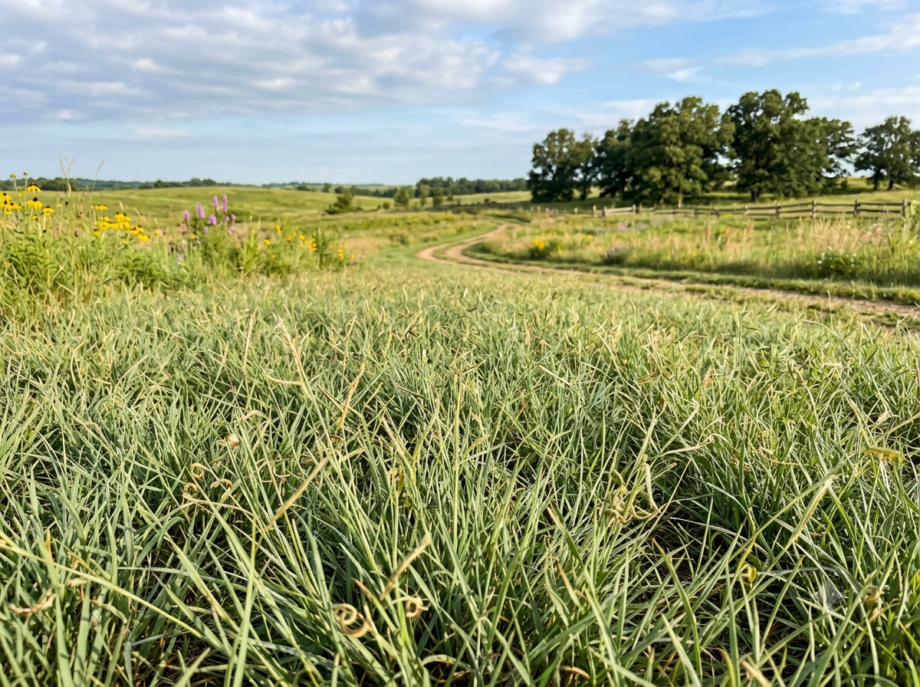
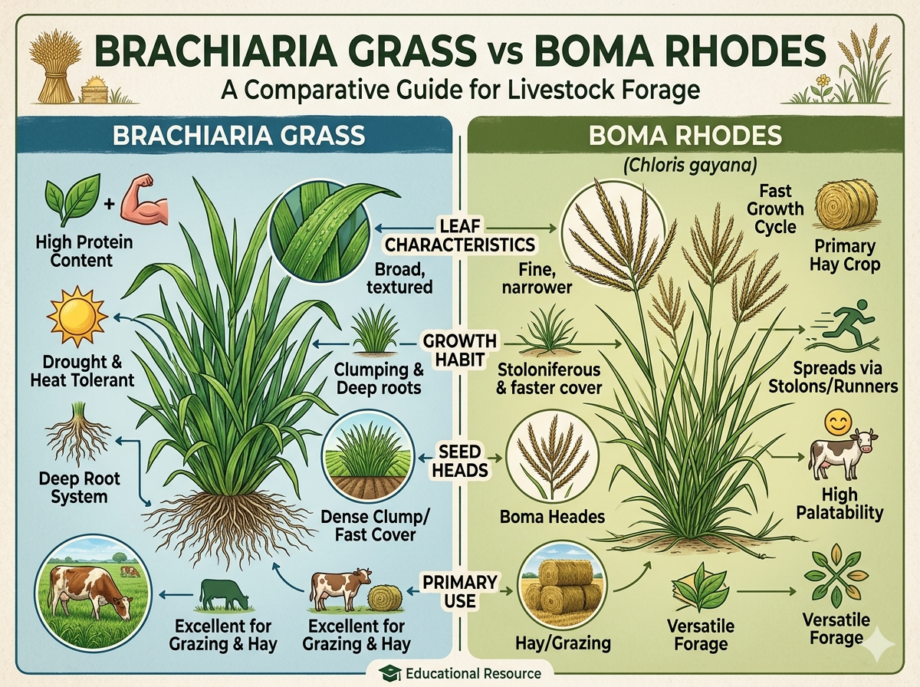
1. Brachiaria Grass
Brachiaria grass is one of the fastest-growing and most profitable fodder grasses in Kenya. It is highly preferred by dairy farmers because of its high nutritional value and excellent drought tolerance.
Brachiaria was introduced to improve livestock productivity in tropical regions.
Popular Brachiaria Varieties in Kenya
- Brachiaria Mulato II
- Brachiaria Basilisk
- Brachiaria Cayman
- Brachiaria MG4
- Brachiaria Xaraes
Benefits of Brachiaria Grass
- High protein content
- Excellent drought resistance
- Fast regrowth after harvesting
- High biomass production
- Improves milk yields
- Suitable for silage and hay
Best Areas for Growing Brachiaria
Brachiaria performs well in:
- Western Kenya
- Rift Valley
- Central Kenya
- Eastern Kenya
- Semi-arid regions
Brachiaria Yield Per Acre
A well-managed Brachiaria farm can produce between 15 and 25 tons of fodder per acre annually.
How to Plant Brachiaria Grass
- Prepare a fine seedbed
- Plant at the onset of rains
- Drill seeds in rows
- Cover lightly with soil
- Apply manure or fertilizer
- Weed regularly
Spacing for Brachiaria Grass
Recommended spacing:
- Rows: 50 cm apart
- Plants: 25–30 cm apart
Read More about Brachiara Grass
2. Napier Grass (Elephant Grass)
Napier grass, also known as Elephant grass, is the most common fodder grass in Kenya. It is widely grown by dairy farmers due to its rapid growth and high yields.
Advantages of Napier Grass
- High biomass production
- Easy propagation
- Fast growth
- Good for zero-grazing systems
- High palatability
Popular Napier Varieties
- Bana grass
- Kakamega 1
- Kakamega 2
- Pakistan Napier grass
- Clone 13
Best Conditions for Napier Grass
The grass grows best in:
- High rainfall areas
- Fertile soils
- Warm climates
Napier Grass Yield Per Acre
Napier can yield 20–40 tons per acre annually under proper management.
How to Plant Napier Grass
Napier is planted using:
- Stem cuttings
- Root splits
Planting Procedure
- Prepare the land thoroughly
- Dig furrows
- Apply manure
- Plant cuttings at an angle
- Cover with soil
- Water if necessary
Common Problems Affecting Napier Grass
- Napier stunt disease
- Head smut disease
- Poor soil fertility
- Water stress
Read More about Napier Grass
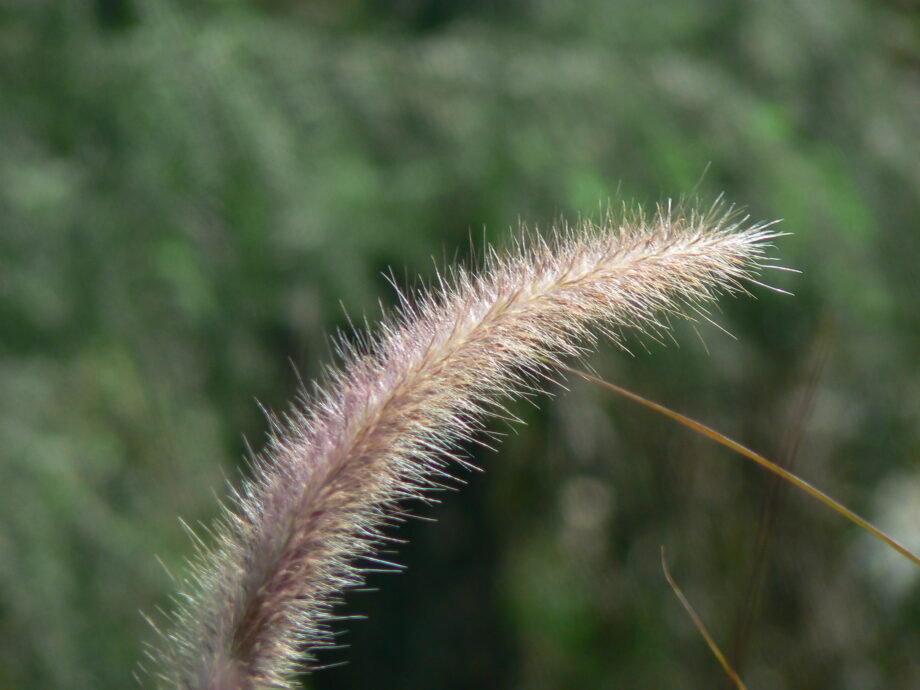
3. Rhodes Grass
Rhodes grass is a perennial grass mainly grown for hay production in Kenya.
It is highly valued for:
- Hay making
- Grazing
- Silage production
Advantages of Rhodes Grass
- Drought tolerant
- Excellent hay quality
- Easy establishment
- Good regrowth
- Suitable for semi-arid areas
Popular Rhodes Grass Varieties
- Callide Rhodes
- Katambora Rhodes
- Elmba Rhodes
Best Regions for Rhodes Grass Farming
Rhodes grass thrives in:
- Kajiado
- Narok
- Laikipia
- Machakos
- Makueni
Rhodes Grass Yield
Farmers can harvest 200–300 bales of hay per acre annually.
How to Plant Rhodes Grass
- Prepare the land well
- Broadcast or drill seeds
- Cover lightly
- Roll soil for firm contact
- Weed early
Read the full article about Rhodes Grass
4. Guatemala Grass
Guatemala grass is a high-yielding perennial fodder grass commonly grown in high rainfall regions.
It resembles Napier grass but produces softer stems and more leafy biomass.
Benefits of Guatemala Grass
- High feed quality
- Soft stems improve digestibility
- High yields
- Good for cut-and-carry systems
Ideal Growing Conditions
- High rainfall areas
- Fertile soils
- Cool climates
Yield Potential
Guatemala grass can produce up to 30 tons per acre annually.
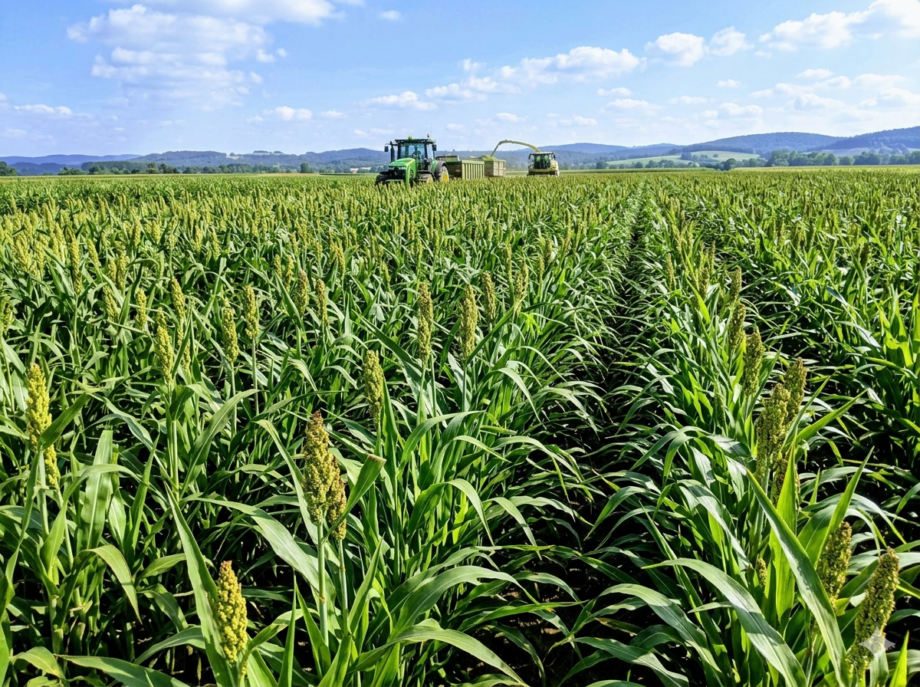
5. Sudan Grass
Sudan grass is a fast-growing annual fodder crop commonly planted during rainy seasons.
Advantages of Sudan Grass
- Rapid growth
- Good drought tolerance
- High palatability
- Suitable for hay and silage
Best Uses
- Grazing
- Hay production
- Silage making
Planting Sudan Grass
Sudan grass is planted using seeds during the rainy season.
6. Guinea Grass
Guinea grass is a perennial tropical grass widely used in dairy farming.
Benefits of Guinea Grass
- High protein levels
- Good palatability
- Shade tolerant
- Suitable for cut-and-carry systems
Best Conditions
Guinea grass grows well in:
- Warm climates
- Moderate rainfall areas
- Fertile soils
7. Setaria Grass
Setaria grass is a leafy perennial fodder grass suitable for dairy cattle.
Advantages of Setaria Grass
- High leaf production
- Good digestibility
- Suitable for high rainfall regions
- Good for silage
Challenges
Setaria requires fertile soils and proper management for the best results.
8. Desmodium (Companion Fodder Crop)
Although technically a legume rather than grass, Desmodium is commonly intercropped with fodder grasses in Kenya.
Benefits of Desmodium
- Adds nitrogen to soil
- Increases protein content
- Improves animal nutrition
- Controls weeds
Best Combination
Desmodium is commonly intercropped with:
- Napier grass
- Brachiaria grass
Comparison of the Best Fodder Grass Types in Kenya
| Fodder Grass | Drought Tolerance | Yield Potential | Protein Content | Best Use |
|---|---|---|---|---|
| Brachiaria Grass | Excellent | Very High | High | Dairy farming |
| Napier Grass | Moderate | Very High | Moderate | Zero grazing |
| Rhodes Grass | Excellent | High | Moderate | Hay production |
| Guatemala Grass | Moderate | High | High | Dairy feed |
| Guinea Grass | Moderate | Moderate | High | Grazing |
| Sudan Grass | Good | Moderate | Moderate | Silage and hay |
| Setaria Grass | Moderate | Moderate | High | Silage |
Best Fodder Grass for Dairy Farming in Kenya
If your main goal is milk production, the best fodder grasses include:
1. Brachiaria Grass
Excellent for improving milk yields due to high protein content.
2. Napier Grass
It is the most common dairy fodder because of its high biomass production.
3. Guatemala Grass
Highly digestible and suitable for high-producing dairy cows.
Best Fodder Grass for Dry Areas in Kenya
Farmers in dry and semi-arid areas should consider:
- Brachiaria grass
- Rhodes grass
- Sudan grass
These grasses tolerate low rainfall and maintain productivity during drought.
How to Prepare Land for Fodder Grass Farming
Proper land preparation is essential for high fodder yields.
Step 1: Clear the Land
Remove weeds, bushes, and debris.
Step 2: Plough the Soil
Deep ploughing improves root penetration.
Step 3: Harrow the Land
Break soil clods for fine seedbed preparation.
Step 4: Apply Manure
Use well-decomposed manure to improve soil fertility.
Best Fertilizer for Fodder Grass
Fodder grass requires nutrients for vigorous growth.
Recommended Fertilizers
- DAP during planting
- CAN for top dressing
- Organic manure
- Compost manure
Irrigation in Fodder Grass Farming
Although some grasses are drought-tolerant, irrigation improves yields.
Benefits of Irrigation
- Faster growth
- Better regrowth after harvesting
- Increased biomass production
- Reliable feed supply during drought
Weed Control in Fodder Grass Farming
Weeds compete with fodder grass for nutrients and moisture.
Weed Control Methods
- Early weeding
- Mulching
- Herbicide application
- Proper spacing
Harvesting Fodder Grass
Harvesting should be done at the right stage for maximum nutritional value.
Best Harvesting Time
Most fodder grasses should be harvested when:
- 90–120 cm tall
- Before the flowering stage
Harvesting Frequency
- Every 6–8 weeks, depending on rainfall and fertility
Silage Making Using Fodder Grass
Silage helps preserve fodder during surplus seasons.
Best Grasses for Silage
- Brachiaria grass
- Napier grass
- Sudan grass
Benefits of Silage
- Reduces feed wastage
- Preserves nutrients
- Provides feed during drought
- Improves livestock productivity
Hay Production in Kenya
Hay production is becoming a profitable agribusiness in Kenya.
Best Grass for Hay
Rhodes grass is the most preferred hay grass due to:
- Fine stems
- High leaf content
- Excellent drying properties
Hay Storage Tips
- Store in dry areas
- Protect from rain
- Use pallets for ventilation
Common Challenges in Fodder Grass Farming
1. Drought
Low rainfall reduces grass growth.
2. Poor Soil Fertility
Nutrient-deficient soils reduce yields.
3. Pests and Diseases
Some grasses are affected by fungal diseases and pests.
4. Poor Management
Late harvesting and poor weeding lower the quality.
Profits in Fodder Grass Farming in Kenya
Fodder farming can be highly profitable.
Farmers earn income through:
- Selling fresh fodder
- Selling hay bales
- Selling silage
- Selling seeds
- Livestock production
Demand for fodder has increased significantly due to commercial dairy farming.
Tips for Successful Fodder Grass Farming
Choose the Right Variety
Select grass suitable for your climate and livestock needs.
Use Certified Seeds
Quality seeds improve germination and yields.
Apply Organic Manure
Organic matter improves soil fertility.
Harvest at the Right Time
Early harvesting maintains nutritional quality.
Practice Rotational Harvesting
This promotes uniform regrowth.
Frequently Asked Questions About Types of Fodder Grass in Kenya
Which Is the Best Fodder Grass in Kenya?
Brachiaria grass is considered one of the best due to its high nutritional value, drought tolerance, and high yields.
Which Grass Produces the Most Milk?
Brachiaria and Guatemala grass are excellent for increasing milk production.
Which Fodder Grass Is Best for Dry Areas?
Rhodes grass and Brachiaria grass perform well in dry areas.
How Long Does Fodder Grass Take to Mature?
Most fodder grasses are ready for harvesting within 6–8 weeks after planting.
Is Fodder Grass Farming Profitable in Kenya?
Yes. Increasing demand for livestock feed has made fodder farming highly profitable.
Can I Grow Fodder Grass on One Acre?
Yes. Even one acre can produce enough feed for several dairy cows.
Which Grass Is Best for Hay?
Rhodes grass is the best for hay production.
Does Brachiaria Grass Need Irrigation?
Brachiaria is drought-tolerant, but irrigation improves yields significantly.
How Often Should Fodder Grass Be Harvested?
Most varieties should be harvested every 6–8 weeks.
What Is the Best Time to Plant Fodder Grass in Kenya?
Plant at the onset of rainy seasons for best establishment.
Final Thoughts on Types of Fodder Grass in Kenya
Fodder grass farming is transforming livestock production in Kenya by providing farmers with sustainable, nutritious, and cost-effective animal feed.
Choosing the right fodder grass depends on:
- Climate
- Rainfall patterns
- Soil type
- Livestock needs
- Farm management system
Among all the options, Brachiaria grass, Napier grass, and Rhodes grass remain the most popular due to their high yields, profitability, and adaptability.
As demand for milk and meat continues to rise, investing in quality fodder grass farming can significantly increase farm productivity and income.
Whether you are starting a small dairy farm or expanding commercial livestock production, planting the right fodder grass is one of the smartest agricultural investments in Kenya today.
Related Post;