Napier grass is one of the most important fodder crops in Kenya and across East Africa. It is widely grown by dairy farmers because of its fast growth, high biomass yield, drought tolerance, and excellent nutritional value for livestock.
Whether you are keeping dairy cows, goats, sheep, rabbits, or beef cattle, Napier grass can significantly improve milk production and animal health when managed properly.
In this comprehensive guide, you will learn everything about Napier grass in Kenya, including:
- Super Napier grass
- Napier grass seeds
- Napier grass price in Kenya
- Napier grass nutrient content
- Benefits of Napier grass
- Best Napier grass varieties in Kenya
- How to plant Napier grass
- Napier grass farming tips
- Common diseases and pests
- Harvesting and feeding guide
- FAQs about Napier grass
What Is Napier Grass?
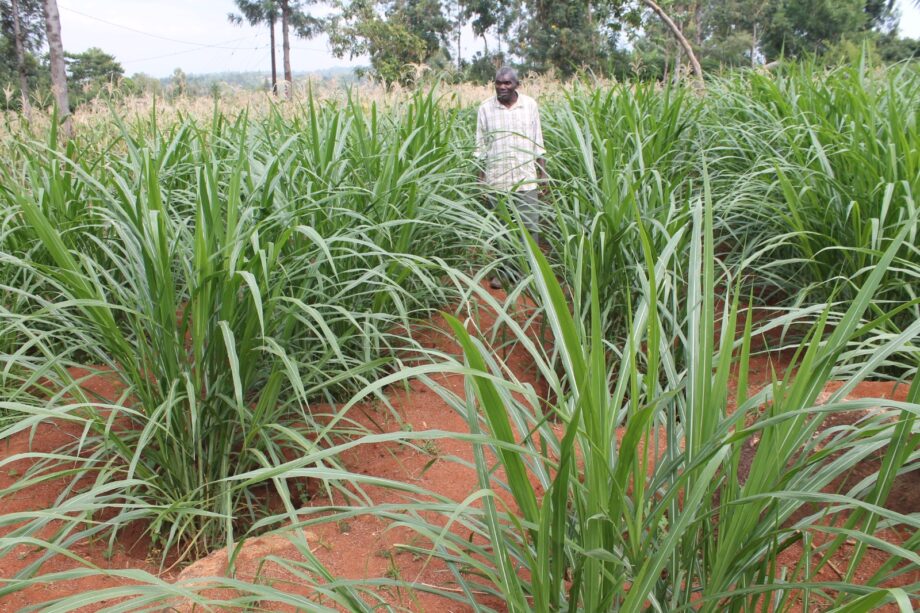
Napier grass is a perennial tropical grass mainly grown for livestock fodder. It is known for producing large amounts of leafy biomass, making it one of the best fodder grasses for dairy farming in Kenya.
The grass is highly popular among zero-grazing farmers because it provides reliable feed throughout the year when properly managed.
The Napier grass scientific name is: Cenchrus purpureus
Previously, it was scientifically known as Pennisetum purpureum
Many agricultural publications and farmers in Kenya still use the older scientific name.
Local Name in Kenya
Napier grass is commonly called:
- Elephant grass
- Uganda grass
- Bana grass
- Odiambo grass (in some local regions)
Different Kenyan communities may have their own local names depending on the region.
Why Napier Grass Is Popular in Kenya
Napier grass farming in Kenya has increased rapidly because of:
- Rising dairy farming demand
- Need for affordable livestock feed
- High milk production benefits
- Fast regrowth after harvesting
- Ability to grow in many climatic zones
- Low maintenance costs
- Excellent silage production
Farmers in counties such as Kiambu, Nyeri, Murang’a, Uasin Gishu, Nakuru, Bungoma, Kakamega, Meru, and Nyandarua widely cultivate Napier grass.
Types of Napier Grass in Kenya
There are several Napier grass varieties grown in Kenya today.
1. Ordinary Napier Grass
This is the traditional variety grown by most small-scale farmers.
Features:
- High biomass production
- Good for cut-and-carry systems
- Requires moderate rainfall
- Susceptible to stunt disease
2. Super Napier Grass
This is an improved variety developed for higher yields and disease resistance.
Benefits
- Faster growth
- Higher protein content
- More drought-tolerant
- Resistant to Napier stunt disease
- Softer stems for livestock digestion
- Higher milk production support
Super Napier is becoming increasingly popular among dairy farmers in Kenya because of its superior feeding quality.
3. Bana Grass
Bana grass is a hybrid Napier variety known for:
- Thick stems
- High biomass
- Excellent silage quality
4. Kakamega 1 & Kakamega 2
These are improved varieties developed for:
- Disease resistance
- Better yields
- Enhanced adaptability
Napier Grass Seeds
Many farmers search for Napier grass seeds, but Napier grass is mainly propagated using:
- Root splits
- Stem cuttings
- Cane cuttings
True Napier grass seeds are less common because vegetative propagation gives faster and more reliable establishment.
However, certified seed suppliers and agricultural research institutions sometimes provide hybrid Napier seeds.
How To Plant Napier Grass
Proper planting is essential for high yields.
Land Preparation
- Clear weeds thoroughly
- Plough deeply
- Harrow the soil to fine tilth
- Add manure before planting
Napier performs best in fertile, well-drained soils.
Climate Requirements
Napier grass grows well in:
- Warm tropical climates
- Areas receiving 750mm–2500mm rainfall annually
- Altitudes between 0 and 2400 meters
Soil Requirements
Best soil conditions:
- Fertile loam soils
- Good drainage
- Soil pH between 5.0 and 7.5
Planting Materials
Use:
- Healthy stem cuttings with 3 nodes
- Roots split from disease-free plants
Avoid infected planting materials.
Spacing
Recommended spacing:
- 90cm × 60cm
- 1m × 1m for intensive management
Proper spacing improves air circulation and reduces disease spread.
Best Time To Plant Napier Grass in Kenya
The ideal planting season is:
- Beginning of long rains
- Beginning of short rains
This ensures enough moisture for establishment.
Fertilizer Requirements
For maximum yields:
- Apply farmyard manure during planting
- Top-dress with CAN or NPK fertilizer
- Add slurry regularly in zero-grazing units
Organic manure greatly improves biomass production.
Nutrient Content
One of the biggest reasons farmers grow Napier grass is its strong nutritional profile.
Napier Grass Nutrient Content Per Dry Matter
| Nutrient | Approximate Value |
|---|---|
| Crude Protein | 8%–18% |
| Dry Matter | 18%–25% |
| Crude Fiber | 30%–35% |
| Energy | Moderate to High |
| Calcium | Good levels |
| Phosphorus | Moderate |
| Digestibility | High when young |
Young Napier grass contains more protein and is easier for livestock to digest.
Benefits of Napier Grass
1. High Milk Production
Napier grass supports increased milk yields in dairy cows because of:
- High palatability
- Good energy content
- High biomass availability
2. Fast Growth Rate
Napier can mature within:
- 3–4 months after planting
- 6–8 weeks after harvesting
This ensures a continuous feed supply.
3. Drought Tolerance
Improved varieties like Super Napier survive dry conditions better than ordinary fodder grasses.
4. Excellent for Silage
Napier grass makes high-quality silage when mixed with:
- Molasses
- Maize stalks
- Legumes
5. Soil Conservation
Napier grass helps:
- Prevent soil erosion
- Improve soil structure
- Act as contour barriers
6. Reduces Feed Costs
Growing Napier reduces dependence on expensive commercial feeds.
7. Suitable for Zero Grazing
Napier is ideal for:
- Stall feeding systems
- Small land sizes
- Intensive dairy farming
Napier Grass Price in Kenya
The price in Kenya depends on:
- Variety
- Region
- Season
- Availability
- Quantity purchased
Average Napier Grass Prices in Kenya
| Item | Estimated Price |
|---|---|
| Napier stem cuttings | KSh 300–1,000 per bundle |
| Root splits | KSh 10–30 per split |
| Super Napier seedlings | KSh 15–50 per seedling |
| Napier grass bales | KSh 150–400 |
| Chopped Napier fodder | KSh 5–15 per kg |
Prices vary across counties and suppliers.
Napier Grass Yield Per Acre
Under good management:
- 1 acre can produce 20–40 tons per harvest
- Multiple harvests annually are possible
Super Napier varieties can produce even higher yields.
How Long Does Napier Grass Take to Mature?
- First harvest: 90–120 days after planting
- Subsequent harvests: every 6–8 weeks
Harvesting at the correct stage improves nutritional value.
How To Harvest Napier Grass
For best quality:
- Harvest at 1–1.5 meters height
- Cut 5–10cm above ground level
- Avoid over-mature grass
Young grass has:
- More protein
- Better digestibility
- Higher milk production value
Napier Grass Feeding Guide
Napier grass can be fed to:
- Dairy cows
- Beef cattle
- Goats
- Sheep
- Rabbits
For better nutrition:
- Mix with legumes like lucerne or desmodium
- Add dairy meal supplements
Common Napier Grass Diseases
1. Napier Stunt Disease
Symptoms:
- Stunted growth
- Yellow leaves
- Thin stems
Prevention:
- Use clean planting materials
- Plant resistant varieties
- Control insect vectors
2. Head Smut Disease
Causes black fungal growth on flowering heads.
Control:
- Destroy infected plants
- Use resistant varieties
Common Pests Affecting Napier Grass
- Stem borers
- Grasshoppers
- Termites
- Aphids
Integrated pest management helps reduce damage.
Best Companion Crops for Napier Grass
Napier grows well with:
- Desmodium
- Lucerne
- Calliandra
- Sweet potato vines
Intercropping improves:
- Soil fertility
- Livestock nutrition
- Weed suppression
Napier Grass Silage Making
Silage helps preserve fodder for dry seasons.
Steps:
- Chop Napier grass
- Wilt slightly
- Mix with molasses
- Compact tightly in a silo
- Seal airtight
Silage can last several months.
Is Napier Grass Profitable in Kenya?
Yes. Napier grass farming is highly profitable because:
- Dairy feed demand is rising
- Fodder shortages are common
- Milk farming is expanding rapidly
Farmers can earn income by selling:
- Stem cuttings
- Seedlings
- Fresh fodder
- Silage
Napier Grass vs Brachiaria Grass
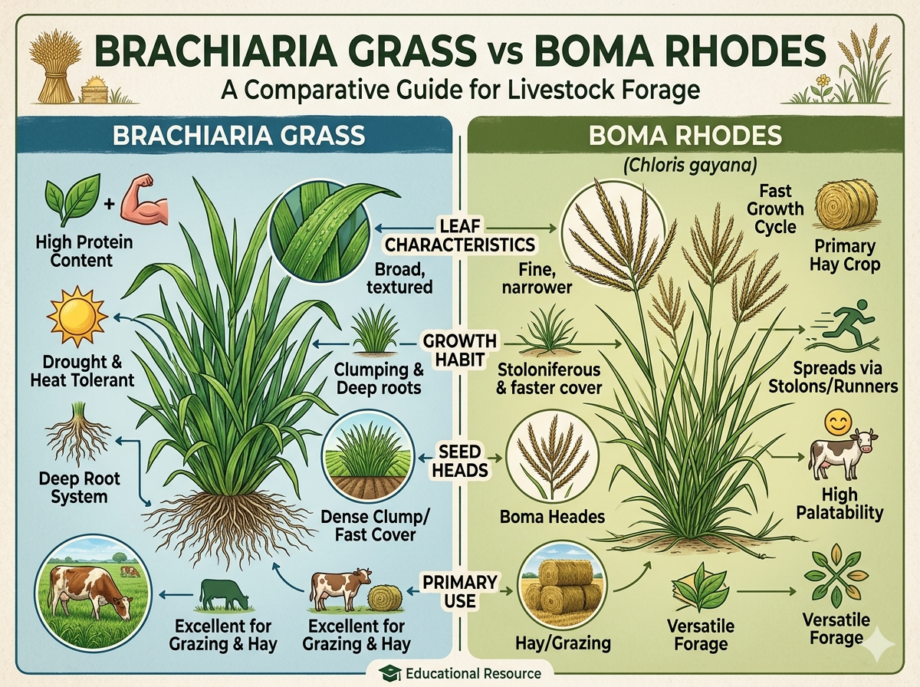
| Feature | Napier Grass | Brachiaria Grass |
|---|---|---|
| Growth Rate | Very fast | Moderate |
| Biomass Yield | Very high | High |
| Drought Tolerance | Moderate | Very high |
| Protein Content | Moderate | High |
| Best Use | Cut-and-carry fodder | Grazing & fodder |
Many farmers combine both grasses for year-round feed security.
Frequently Asked Questions About Napier Grass
Is Super Napier better than ordinary Napier?
Yes. Super Napier generally offers:
- Higher yields
- Better disease resistance
- Improved digestibility
How much does Napier grass cost in Kenya?
Prices vary, but stem cuttings usually cost between KSh 300 and KSh 1,000 per bundle.
How long does Napier grass take to grow?
The first harvest takes around 3–4 months after planting.
Can Napier grass survive drought?
Improved varieties like Super Napier tolerate drought better than ordinary varieties.
What animals eat Napier grass?
Napier grass is fed to:
- Dairy cows
- Beef cattle
- Goats
- Sheep
- Rabbits
Is Napier grass good for silage?
Yes. Napier grass produces excellent silage when properly fermented.
Final Thoughts On Napier Grass in Kenya
Napier grass remains one of the best fodder crops for livestock farmers in Kenya. Its fast growth, high biomass production, affordability, and strong nutritional value make it essential for profitable dairy and livestock farming.
Whether you choose ordinary Napier or Super Napier grass, proper management practices such as timely harvesting, manure application, and disease control can dramatically increase yields and livestock productivity.
For farmers seeking reliable year-round fodder, Napier grass continues to be one of the smartest agricultural investments in Kenya today.
Related Post;